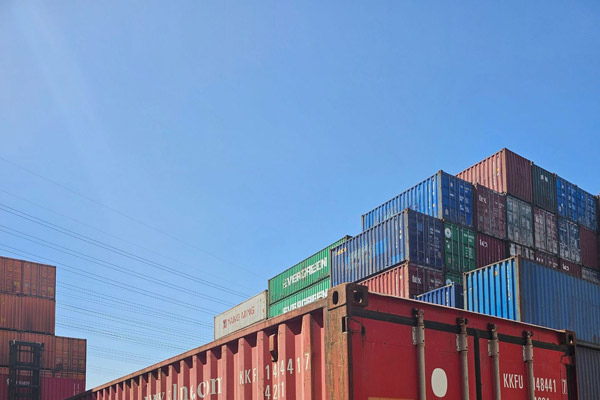
Refrigerated containers, commonly referred to as reefers, play a critical role in modern logistics, enabling the safe transport of perishable goods such as food, pharmaceuticals, and temperature-sensitive chemicals. Selecting the right refrigerated container is essential to ensure product quality, operational efficiency, and cost-effectiveness throughout the supply chain.
1. Determine the Type of Goods Being Transported
The first and most important step is understanding the nature of the cargo. Different products have varying temperature requirements:
Frozen Goods: Meat, seafood, and certain dairy products require deep freezing, typically between -18°C and -25°C.
Chilled Goods: Fruits, vegetables, and beverages often need temperatures between 0°C and 5°C to maintain freshness.
Pharmaceuticals & Chemicals: Many medicines and chemicals require precise temperature ranges, sometimes including controlled humidity levels.
Knowing the exact temperature range and sensitivity of the cargo will determine the specifications of the refrigerated container, including its cooling capacity and insulation level.
2. Choose the Appropriate Container Size
Refrigerated containers come in standard sizes, most commonly:
20-foot container: Suitable for smaller shipments or niche products; easier to maneuver and ideal for limited cargo volumes.
40-foot container: Offers more space for bulk shipments; widely used for large-scale exports and imports.
When selecting the size, consider not only cargo volume but also weight distribution, stacking requirements, and access for loading and unloading. Overloading a container can compromise airflow and temperature consistency.
3. Evaluate the Refrigeration System
Reefers operate with different types of refrigeration systems:
Mechanical refrigeration units: Powered by diesel or electricity; widely used for shipping containers and road transport.
Hybrid or electric-only units: Offer energy efficiency and are better for short-distance or eco-conscious operations.
Important factors to assess include the unit’s cooling capacity, temperature accuracy, energy efficiency, and noise levels. A reliable refrigeration system ensures the cargo remains within the specified temperature range even under extreme weather conditions or during long transit periods.
4. Check Insulation and Build Quality
The insulation of a refrigerated container directly affects its ability to maintain stable temperatures and reduce energy consumption. High-quality reefers have thick, reinforced walls with advanced insulation materials, reducing thermal loss.
Additionally, inspect the container’s structural integrity:
Rust-free steel frame and durable paneling.
Well-sealed doors and gaskets to prevent cold air leakage.
Sturdy flooring capable of supporting heavy loads without sagging.
Good insulation and build quality minimize temperature fluctuations and ensure the container can endure the rigors of transport.
5. Consider Monitoring and Control Features
Modern refrigerated containers often include advanced monitoring systems that allow real-time tracking of temperature, humidity, and power status. Features to consider:
Remote monitoring: Enables operators to detect issues early and make adjustments during transit.
Alarm systems: Alerts for temperature deviations or system malfunctions.
Automated controls: Maintain precise temperature levels without manual intervention.
These features are particularly important for high-value or sensitive cargo, such as vaccines, live biological materials, or premium perishables.
6. Assess Maintenance and Support Services
A reefer container is only as reliable as its maintenance program. When choosing a container supplier or rental provider, consider:
Availability of technical support and emergency repairs.
Regular preventive maintenance schedules.
Availability of spare parts and trained technicians.
Proper maintenance extends the lifespan of the container, reduces downtime, and ensures consistent performance during critical shipments.
7. Balance Cost with Operational Efficiency
Finally, consider the total cost of ownership, not just the initial purchase or rental price. Factors affecting cost include energy consumption, maintenance, durability, and compatibility with logistics equipment. Investing slightly more in a higher-quality container can result in lower operational costs, reduced cargo loss, and higher reliability over time.
Choosing the right refrigerated container requires a careful balance of cargo requirements, container size, refrigeration technology, insulation quality, monitoring systems, maintenance support, and overall cost efficiency. By thoroughly evaluating these factors, businesses can ensure that perishable goods arrive safely, maintain quality, and reduce losses throughout the supply chain. Whether for long-distance shipping, regional distribution, or specialized cargo, selecting the right reefer container is a critical step toward operational success and customer satisfaction.