In the modern global economy, the efficient transportation and storage of goods are critical to maintaining competitive supply chains. Shipping containers have become one of the most important tools enabling global trade, providing standardized, secure, and highly flexible solutions for logistics and storage applications. From international freight movement to on-site warehousing and specialized storage needs, shipping containers play a central role in supporting the smooth flow of goods across borders and industries.
Standardization and Intermodal Efficiency
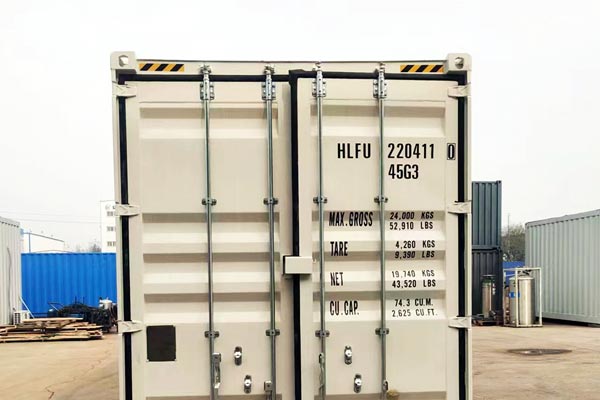
One of the greatest strengths of shipping containers lies in their standardized design. Containers are manufactured according to international standards, allowing them to be seamlessly transferred between ships, trucks, and rail systems without the need to unload cargo. This intermodal capability significantly reduces handling time, minimizes cargo damage, and lowers overall transportation costs.
By eliminating repetitive loading and unloading, containers streamline global logistics operations and enable faster transit times. This standardization also allows logistics providers to plan routes more efficiently, integrate multimodal transport strategies, and scale operations according to demand.
Durability and Cargo Protection
Shipping containers are built to withstand harsh environmental conditions and long-distance transport. Constructed from high-strength steel or corrosion-resistant materials, they are designed to endure heavy loads, extreme weather, and repeated handling. This durability ensures reliable cargo protection throughout the transportation process.
Containers provide a secure, enclosed environment that safeguards goods from moisture, dust, and unauthorized access. For storage applications, this level of protection makes containers suitable for both short-term and long-term use, whether in ports, warehouses, or remote locations.
Flexibility in Storage Applications
Beyond transportation, shipping containers are widely used as flexible storage solutions. Their modular design allows them to function as temporary or permanent storage units for a variety of industries, including manufacturing, construction, retail, and agriculture.
Containers can be easily placed on-site to store raw materials, tools, equipment, or finished products. Unlike traditional warehouses, container-based storage requires minimal infrastructure and can be rapidly deployed or relocated as operational needs change. This flexibility makes containers especially valuable for projects with fluctuating storage requirements or limited space.
Scalability for Growing Logistics Needs
As businesses expand or experience seasonal fluctuations, storage and transportation needs can change quickly. Shipping containers offer a scalable solution that allows companies to increase or reduce capacity without significant capital investment.
Additional containers can be added as demand grows, and unused units can be relocated or repurposed when needs decline. This scalability helps businesses manage costs more effectively while maintaining operational flexibility in dynamic market environments.
Customization for Specialized Cargo
Modern shipping containers can be customized to accommodate a wide range of cargo types and storage conditions. Refrigerated containers, for example, are designed for temperature-sensitive goods such as food, pharmaceuticals, and chemicals. Ventilated containers support agricultural products that require airflow, while insulated containers help maintain stable internal conditions.
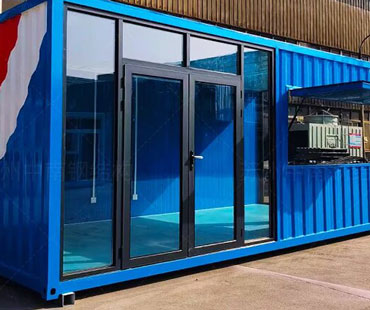
Containers can also be modified with shelving, lighting, security systems, and access points to support specialized storage or operational functions. These customization options extend the usefulness of containers beyond standard freight transport and into diverse industrial and commercial applications.
Cost Efficiency and Operational Savings
From a cost perspective, shipping containers provide significant advantages over traditional logistics and storage solutions. Their reusability and long service life reduce the need for frequent replacement, while standardized dimensions simplify planning and handling.
For storage purposes, container-based solutions often eliminate the need for constructing permanent facilities, reducing upfront investment and long-term maintenance costs. Businesses can deploy containers quickly, avoid lengthy construction timelines, and adapt storage capacity to changing needs without major financial risk.
Support for Global Supply Chain Resilience
In an era of supply chain uncertainty, shipping containers contribute to resilience by enabling flexible logistics strategies. Containers allow goods to be stored closer to points of use, reducing dependence on centralized warehouses and improving response times.
During disruptions such as port congestion, natural disasters, or sudden demand surges, containers can be repositioned to alternative locations, helping businesses maintain continuity. Their mobility and adaptability make them a valuable tool for risk mitigation and contingency planning.
Sustainability and Reuse Potential
Sustainability is an increasingly important consideration in logistics and storage. Shipping containers support sustainable practices through reuse, repurposing, and long-term durability. Containers that have completed their primary shipping lifecycle can be reused for storage, modular buildings, or infrastructure projects, extending their functional lifespan.
By reducing the need for new construction materials and maximizing the use of existing assets, container-based solutions help lower environmental impact. Additionally, efficient containerized transport reduces fuel consumption and emissions by optimizing cargo loading and transportation efficiency.
Integration with Modern Logistics Technologies
Shipping containers are increasingly integrated with digital logistics technologies such as GPS tracking, IoT sensors, and automated inventory systems. These technologies enhance visibility and control throughout the supply chain, allowing real-time monitoring of location, temperature, and security conditions.
This integration improves decision-making, reduces losses, and enhances overall operational efficiency. Containers equipped with smart technologies are becoming an essential component of data-driven logistics strategies.
Shipping containers have evolved far beyond their original role as simple transport units. Today, they serve as flexible, reliable, and cost-effective solutions for global logistics and storage applications. Their standardized design, durability, scalability, and adaptability make them indispensable in modern supply chains.
By supporting efficient transportation, flexible storage, and resilient logistics operations, shipping containers help businesses navigate the complexities of global trade while maintaining control over costs and performance. As logistics demands continue to evolve, shipping containers will remain a foundational element in shaping efficient, sustainable, and adaptable supply chain solutions worldwide.