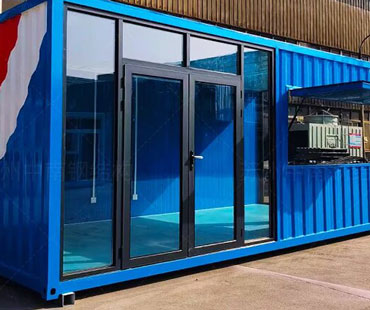
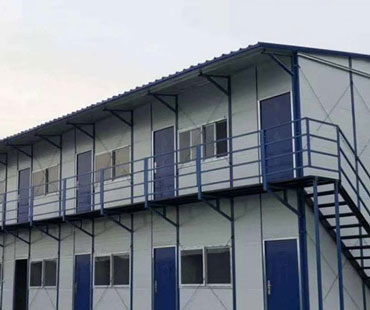
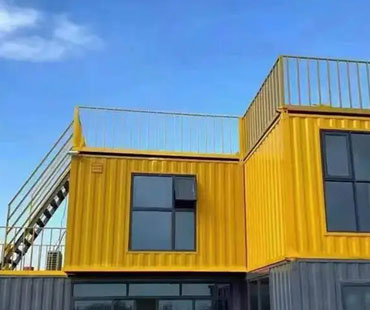
In recent years, the construction industry has been undergoing a transformative shift towards modular and prefabricated building solutions. Among the innovative approaches gaining widespread adoption is container-based modular construction. This method combines the structural efficiency and durability of shipping containers with the flexibility and scalability of modular construction techniques. The integration of container installation into modular building projects offers significant advantages, including faster construction timelines, cost savings, environmental sustainability, and versatile design possibilities.
1. Container Installation: A Foundation for Modular Construction
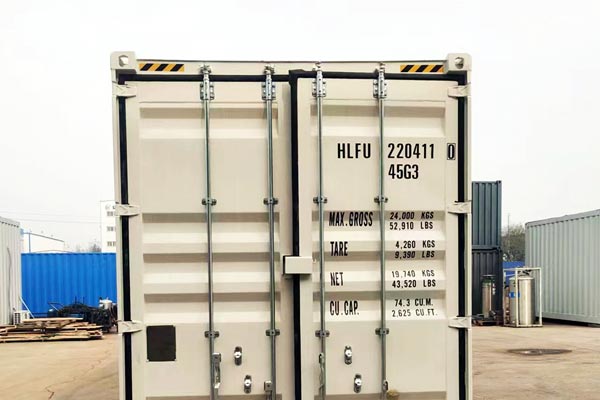
Shipping containers, originally designed for transporting goods, are highly durable, standardized, and capable of withstanding harsh environmental conditions. These characteristics make them ideal building blocks for modular structures. Container installation involves carefully preparing the site, ensuring proper foundation support, and securely positioning containers using cranes and lifting equipment.
When incorporated into modular construction, container units serve as prefabricated modules that can be assembled, stacked, or connected on-site. Unlike traditional construction methods, which often require lengthy on-site labor and sequential processes, container-based modular construction allows multiple units to be fabricated off-site while foundational work occurs simultaneously. This parallel workflow drastically reduces overall construction time and minimizes disruptions to surrounding areas.
2. Advantages of Combining Container Installation with Modular Construction
a. Speed and Efficiency
One of the most compelling benefits of integrating container installation with modular construction is the reduction in construction time. Container units are pre-fabricated, sometimes fully equipped with insulation, wiring, plumbing, and interior finishes before arriving at the site. Installation becomes a process of connecting, securing, and finalizing modules rather than building from the ground up. This approach enables projects to be completed weeks or even months faster than traditional methods.
b. Cost Optimization
The use of standardized container modules reduces material waste and labor costs. Shipping containers provide a strong structural frame, often eliminating the need for additional steel framing or complex scaffolding. The off-site fabrication of modules also allows for bulk procurement of materials and controlled quality assurance, resulting in lower overall construction expenses.
c. Flexibility and Scalability
Container-based modular construction offers remarkable flexibility. Units can be stacked vertically to create multi-story structures or arranged horizontally for extended floor plans. The modular nature allows for future expansions or relocations, making it an ideal solution for temporary facilities, emergency housing, educational buildings, or even commercial spaces. This adaptability is difficult to achieve with conventional construction.
d. Sustainability
Using shipping containers promotes sustainability by repurposing existing structures, reducing the demand for new raw materials. Additionally, modular construction minimizes on-site waste and disturbances, lowers transportation emissions through centralized fabrication, and supports energy-efficient designs. Container modules can also incorporate solar panels, green roofs, and advanced insulation to further enhance environmental performance.
e. Safety and Quality Control
Off-site fabrication of container modules allows for rigorous quality control in a factory environment. Structural integrity, electrical systems, plumbing, and fire safety measures can be verified before installation, ensuring consistent performance across units. On-site installation is less labor-intensive, reducing the risk of accidents and improving overall safety for construction workers.
3. Applications of Container-Based Modular Construction
The combination of container installation and modular construction is highly versatile and has been applied in various sectors:
1.Residential Buildings: Temporary or permanent housing solutions benefit from the speed, affordability, and scalability of container modules. Developers can rapidly deploy multi-unit housing complexes in urban or disaster-affected areas.
2.Commercial Spaces: Retail stores, offices, and pop-up shops can be built using container modules, providing flexible layouts and relocatable solutions that respond to changing market demands.
3.Educational Facilities: Schools and training centers, particularly in regions with high demand for rapid construction, can utilize modular container units to expand classroom capacity efficiently.
4.Healthcare Infrastructure: Clinics and hospitals can be quickly assembled using container modules, providing emergency healthcare facilities during crises or in remote locations.
5.Industrial and Storage Solutions: Modular container structures offer robust solutions for warehouses, workshops, and temporary storage units, leveraging their inherent durability and stackability.
4. Technical Considerations for Successful Integration
To maximize the benefits of container-based modular construction, several technical considerations must be addressed:
Foundation Design: Proper site preparation and foundation support are critical to ensure structural stability, especially for multi-story stacking.
Structural Modifications: Cutting openings for windows, doors, or utility connections requires reinforcement to maintain container integrity.
Insulation and Climate Control: Metal containers conduct heat and cold easily, so adequate insulation and HVAC solutions are necessary for occupant comfort.
Connectivity Between Modules: Welding, bolting, or specialized joint systems are used to connect containers securely while maintaining design flexibility.
Regulatory Compliance: Local building codes, fire safety regulations, and zoning laws must be considered to ensure legal compliance.
5. Future Prospects
As urban populations grow and the demand for rapid, cost-effective construction increases, the combination of container installation and modular construction is poised for broader adoption. Innovations in container design, smart building technologies, and sustainable materials will further enhance the functionality, aesthetics, and energy efficiency of modular container structures. Additionally, digital tools such as BIM (Building Information Modeling) enable precise planning, logistics optimization, and enhanced collaboration among project stakeholders.
The integration of container installation with modular construction represents a paradigm shift in building methodology, offering unmatched efficiency, flexibility, and sustainability. By leveraging the inherent durability and standardization of shipping containers alongside modular design principles, developers can achieve faster construction timelines, cost savings, and adaptable building solutions. From residential and commercial applications to healthcare and industrial facilities, container-based modular construction is proving to be a versatile, sustainable, and practical approach to meet the evolving demands of modern construction. As technology advances and industry adoption grows, this combination is set to redefine the way buildings are planned, constructed, and utilized worldwide.