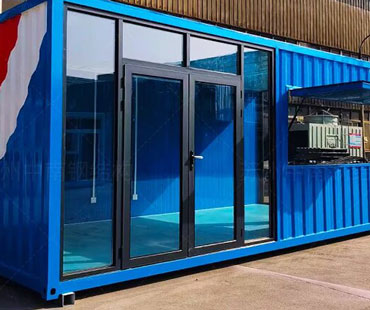
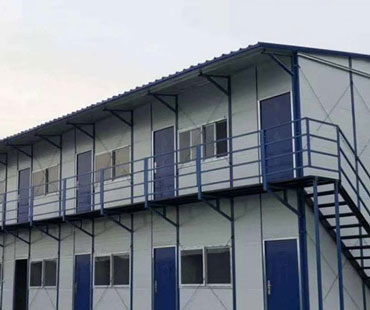
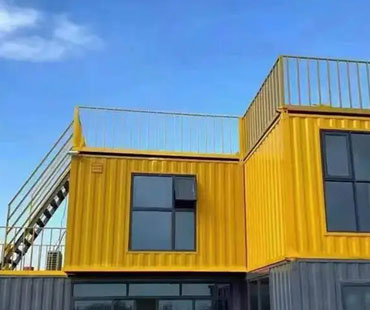
Container houses, constructed from repurposed shipping containers, have gained significant popularity in recent years due to their modular design, rapid construction, and sustainable approach to housing. While their advantages in terms of flexibility and environmental impact are widely recognized, understanding the structural safety and durability of container houses is essential to ensure long-term stability and occupant safety. This article provides an in-depth analysis of the key factors influencing the structural integrity and durability of container-based architecture.
1. Structural Composition and Load-Bearing Capacity
Shipping containers are originally designed to carry heavy cargo under extreme conditions, giving them excellent inherent structural strength. Each container’s frame, corner posts, and cross-braced walls are engineered to withstand stacking loads during transportation, which translates into a strong load-bearing capacity when repurposed for housing.
When constructing container houses, structural modifications such as cutting for doors, windows, or connecting multiple units can reduce integrity. Therefore, engineers typically reinforce modified areas using steel frames or additional bracing to maintain strength. Careful attention to load distribution, especially for multi-story container houses, is crucial. Correctly engineered connections ensure that vertical loads are safely transferred to the foundation without causing structural deformation.
2. Material Durability and Corrosion Resistance
Containers are usually made of corten steel, which is highly resistant to weathering and corrosion. However, prolonged exposure to harsh environmental conditions—such as high humidity, salty air in coastal regions, or heavy rainfall—can accelerate corrosion, particularly in areas where protective coatings have been removed during modification.
To enhance durability, container houses are often treated with anti-corrosion coatings, rust-proof paints, or galvanization. Regular maintenance, such as repainting exposed surfaces and inspecting welds, is also critical to extend service life. Proper insulation and moisture barriers further protect the steel structure from condensation-related damage.
3. Seismic and Wind Load Considerations
Container houses are generally lightweight and rigid, which can be advantageous in certain seismic zones. However, their rigidity may also lead to higher stress concentrations during earthquakes or strong wind events. Engineers use structural reinforcements, flexible joint connections, and proper anchoring to the foundation to mitigate these risks.
In high-wind areas, especially for modular or stacked container designs, wind load calculations are essential. Corner connections and inter-unit bracing must be designed to resist lateral forces, preventing tipping or separation of units.
4. Thermal and Moisture Management
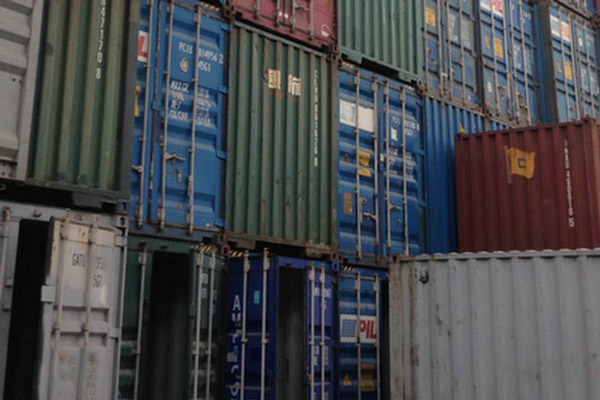
Steel containers have high thermal conductivity, which can affect both comfort and structural durability. Without proper insulation, interior temperatures can fluctuate drastically, potentially leading to condensation inside the walls, which accelerates corrosion over time.
Modern container house designs incorporate thermal insulation, vapor barriers, and ventilated facades to control temperature and moisture levels. These measures not only enhance occupant comfort but also prolong the lifespan of the structure by minimizing the risk of rust and metal fatigue.
5. Foundation and Site Preparation
The foundation plays a pivotal role in the overall structural safety of container houses. Although containers are strong, they must be properly anchored to avoid settling, tilting, or shifting due to soil movement. Foundations may include reinforced concrete pads, piers, or slab systems designed to evenly distribute weight and accommodate multiple stacked units.
Site preparation, including soil compaction and drainage management, ensures that water does not accumulate around the container base, which could accelerate corrosion or destabilize the structure.
6. Maintenance and Lifespan
A well-designed container house can last for decades, but regular inspection and maintenance are essential. Key aspects include checking for rust, assessing weld integrity, monitoring structural connections, and ensuring insulation and weatherproofing remain effective. By adhering to a systematic maintenance schedule, homeowners can maximize durability while maintaining structural safety.
Container houses offer an innovative, sustainable solution to modern housing challenges, combining modular construction with rapid deployment. However, their structural safety and durability depend on careful design, proper modification, environmental protection, and ongoing maintenance. By addressing load distribution, corrosion prevention, thermal management, seismic and wind resistance, and foundation stability, engineers and designers can ensure that container houses provide safe, long-lasting, and resilient living spaces.