Shipping containers are the backbone of global logistics, enabling the safe and efficient transport of goods across oceans, rail networks, and highways. Behind their seemingly simple appearance lies a sophisticated combination of advanced materials and manufacturing processes designed to ensure durability, corrosion resistance, and long service life. Zhengyu Container Housing Company provides an in-depth look at the materials used in container construction and the manufacturing techniques that enhance their structural performance and resistance to harsh environments.
1. Importance of Material Selection in Container Manufacturing
The operating conditions of shipping containers are extremely demanding. Containers are exposed to saltwater spray, high humidity, temperature fluctuations, heavy loads, and repeated handling. As a result, material selection plays a critical role in ensuring safety, longevity, and cost efficiency.
An ideal container material must offer:
High mechanical strength
Resistance to corrosion and fatigue
Good weldability and formability
Long-term structural stability
These requirements have shaped the widespread adoption of specialized steels and protective coatings in modern container manufacturing.
2. Core Materials Used in Shipping Containers
2.1 Corten Steel (Weathering Steel)
Most standard shipping containers are made from Corten steel, a type of weathering steel specifically designed for outdoor durability. Unlike conventional carbon steel, Corten steel forms a stable oxide layer when exposed to the atmosphere, which acts as a protective barrier against further corrosion.
Key advantages include:
Excellent resistance to atmospheric corrosion
High tensile strength and impact resistance
Reduced maintenance requirements over time
This material is particularly suitable for marine transport, where salt-laden air would quickly degrade ordinary steel.
2.2 Structural Steel Components
While Corten steel is used for walls, roofs, and floors, high-strength structural steel is employed in:
Corner castings
Bottom rails and top rails
Cross members
These components bear the majority of the container’s load during stacking, lifting, and transportation, making strength and fatigue resistance essential.
2.3 Flooring Materials
Container floors are typically made from marine-grade plywood, bamboo-based composites, or laminated hardwood. These materials are selected for:
High load-bearing capacity
Moisture resistance
Anti-slip properties
In specialized containers, steel or aluminum flooring may be used to meet hygiene or chemical resistance requirements.
3. Manufacturing Processes in Container Production
3.1 Steel Plate Forming and Cutting
Manufacturing begins with the cutting and forming of steel plates using automated equipment. Precision cutting ensures dimensional accuracy, while corrugation forming increases the strength of side panels and roofs without adding extra material weight.
Corrugated steel panels provide:
Enhanced structural rigidity
Improved resistance to impact and deformation
Better load distribution
3.2 Welding and Assembly Techniques
Welding is one of the most critical stages in container manufacturing. Automated and semi-automated welding systems are used to ensure consistency and strength across joints.
Key welding considerations include:
Strong seam integrity to prevent water ingress
Uniform heat distribution to reduce material stress
Compliance with international safety standards
High-quality welds significantly contribute to a container’s long-term durability and resistance to structural fatigue.
3.3 Installation of Corner Castings
Corner castings are precision-engineered components that allow containers to be lifted, stacked, and secured. These castings are typically made from high-strength steel and are welded into the container frame with strict tolerance control.
Their quality directly affects:
Load-bearing capacity
Compatibility with cranes and locking mechanisms
Overall safety during transport
4. Corrosion Protection Technologies
4.1 Surface Preparation
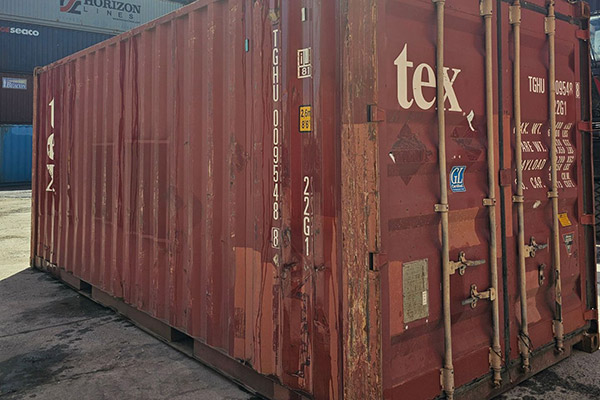
Before coating, all steel surfaces undergo thorough preparation, including shot blasting or sandblasting. This process removes impurities, rust, and oil residues, ensuring optimal adhesion of protective coatings.
Proper surface preparation is essential for long-term corrosion resistance.
4.2 Protective Coatings and Paint Systems
Modern containers are coated with multi-layer paint systems designed to withstand extreme environments. These systems typically include:
A primer layer for adhesion and corrosion protection
Intermediate coatings for durability
A topcoat for UV resistance and aesthetics
Epoxy and polyurethane paints are commonly used due to their excellent resistance to chemicals, moisture, and abrasion.
4.3 Internal Coatings
Interior surfaces may also receive specialized coatings, especially in containers used for chemicals, food, or pharmaceuticals. These coatings prevent contamination and provide additional corrosion resistance.
5. Quality Control and Testing
To ensure reliability, containers undergo rigorous quality control procedures, including:
Structural strength testing
Water tightness inspections
Coating thickness and adhesion tests
Compliance checks with ISO standards
These tests confirm that the container can withstand real-world transport conditions without compromising safety or performance.
6. Durability and Lifecycle Performance
A well-manufactured container, built with high-quality materials and advanced corrosion protection, can have a service life of 15 to 25 years or more, depending on usage and maintenance.
Factors influencing lifespan include:
Operating environment (marine vs. inland)
Frequency of handling and stacking
Maintenance and repainting schedules
Investing in superior materials and manufacturing processes ultimately reduces long-term ownership costs.
7. Sustainability and Future Trends
Modern container manufacturing increasingly focuses on sustainability. Developments include:
Low-VOC and environmentally friendly coatings
Recyclable steel components
Improved corrosion protection to extend service life
These innovations reduce environmental impact while maintaining high performance standards.
The durability and corrosion resistance of shipping containers are the result of careful material selection and advanced manufacturing processes. From Corten steel panels to precision welding and multi-layer protective coatings, every aspect of container construction is engineered to withstand harsh conditions and long-term use.
Understanding these materials and processes enables logistics companies, buyers, and operators to make informed decisions, ensuring safe transportation, lower maintenance costs, and reliable performance throughout the container’s lifecycle.