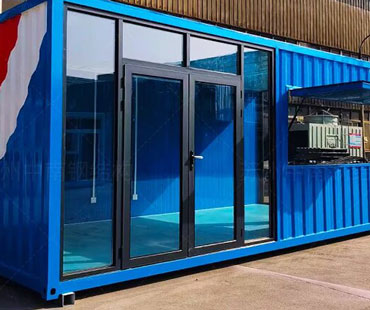
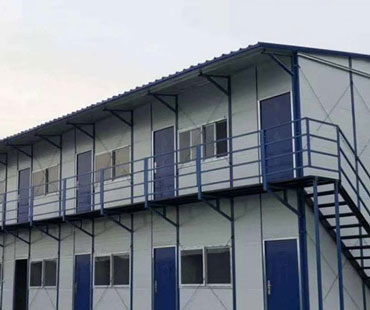
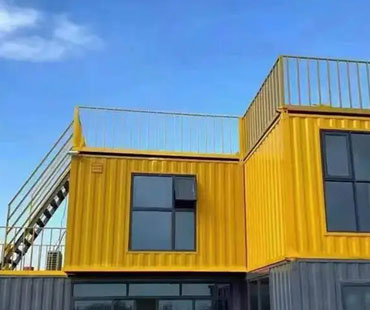
As housing costs continue to rise and environmental concerns become increasingly important, people around the world are searching for innovative alternatives to traditional construction methods. Among the many emerging solutions, container houses have gained significant attention for their affordability, sustainability, and flexibility. Originally designed for transporting goods across oceans and continents, shipping containers are now being transformed into modern homes, offices, vacation cabins, and commercial spaces.
Container houses represent a unique blend of practicality and innovation. They offer a faster and often more economical construction process compared to conventional buildings while supporting environmentally responsible development. With advances in architectural design and construction technology, container homes have evolved from simple modular structures into stylish, comfortable, and energy-efficient living spaces.
What Are Container Houses?
Container houses are buildings constructed using standard steel shipping containers as their primary structural components. These containers, typically available in 20-foot and 40-foot sizes, are manufactured to withstand harsh weather conditions, heavy loads, and long-distance transportation. Their strength and durability make them suitable for a wide range of construction applications.
A container house can consist of a single container converted into a compact living unit or multiple containers combined to create larger residential or commercial structures. Architects and builders can modify containers by adding windows, doors, insulation, plumbing systems, electrical installations, and interior finishes to meet specific design and functional requirements.
The modular nature of containers allows for endless customization possibilities, making them suitable for projects ranging from small backyard studios to multi-story apartment buildings.
Cost-Effectiveness of Container Houses
One of the primary reasons for the growing popularity of container houses is their potential cost savings. Traditional construction often involves lengthy building schedules, extensive labor requirements, and significant material costs. Container houses can help reduce many of these expenses.
Since the main structural framework already exists, builders can focus on modifications and interior finishing rather than constructing an entire building from scratch. This can shorten construction timelines and reduce labor costs. In many cases, prefabrication techniques allow a significant portion of the work to be completed in a factory environment before the units are transported to the final site.
Faster construction also means reduced project management expenses and lower financing costs. For homeowners, investors, and developers, these efficiencies can make container housing an attractive alternative to conventional building methods.
However, actual costs vary depending on factors such as container condition, customization requirements, local labor rates, insulation systems, and site preparation. High-end container homes with luxury finishes may cost as much as traditional houses, but they still benefit from shorter construction periods and modular flexibility.
Sustainability and Environmental Benefits
Sustainability is one of the strongest advantages of container housing. Millions of shipping containers are used globally, and many become surplus after years of service. Repurposing these containers for housing helps extend their useful life and reduces industrial waste.
By reusing existing steel structures, container houses can lower the demand for new construction materials. This contributes to resource conservation and can reduce the environmental impact associated with manufacturing traditional building components.
Container houses also support the integration of green technologies. Many projects incorporate solar panels, rainwater harvesting systems, energy-efficient windows, LED lighting, and advanced insulation materials. These features help reduce energy consumption and improve overall environmental performance.
Additionally, the compact and modular nature of container homes often encourages more efficient use of space, which aligns with modern sustainable living principles. Smaller footprints generally require fewer resources to build, maintain, and operate over time.
Design Flexibility and Modern Aesthetics
Contrary to the misconception that container houses are plain or industrial-looking, modern designs demonstrate remarkable creativity and sophistication. Architects have transformed shipping containers into visually appealing homes that rival traditional residential construction in both comfort and style.
Multiple containers can be stacked, connected, or arranged in various configurations to create open floor plans, spacious living areas, and unique architectural features. Large glass windows, rooftop terraces, balconies, and modern exterior cladding can significantly enhance the appearance of container homes.
Inside, homeowners can enjoy contemporary kitchens, luxury bathrooms, smart home technologies, and customized interior layouts. With proper design and finishing, it is often difficult to recognize that a structure was originally built from shipping containers.
The adaptability of container construction makes it possible to accommodate diverse architectural styles, from minimalist urban residences to rustic countryside retreats.
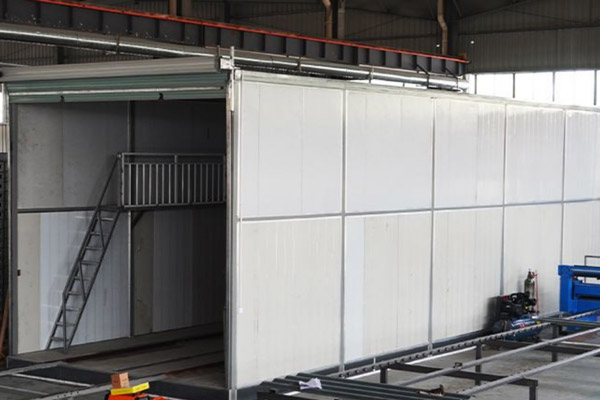
Applications Beyond Residential Housing
While container houses are widely associated with residential living, their applications extend far beyond traditional homes. Businesses, governments, and organizations are increasingly utilizing container-based structures for various purposes.
Container buildings are commonly used as:
Temporary and permanent offices
Retail stores and pop-up shops
Hotels and resorts
Student housing
Emergency shelters
Medical clinics
Educational facilities
Cafés and restaurants
Their mobility and rapid deployment capabilities make them particularly valuable in remote locations, disaster relief operations, and fast-growing urban areas where construction speed is essential.
For commercial projects, container structures offer a unique visual identity that can help businesses stand out in competitive markets.
Durability and Structural Strength
Shipping containers are engineered to withstand some of the world's harshest transportation conditions. They are designed to resist heavy loads, strong winds, saltwater exposure, and repeated handling during shipping operations.
This inherent durability provides a strong foundation for container housing. When properly modified and maintained, container homes can offer excellent structural performance and longevity.
Their steel construction also provides resistance to many environmental challenges, including severe weather events. In certain regions, container houses may offer advantages in terms of wind resistance and structural stability compared to some conventional building methods.
However, proper corrosion protection, insulation, and ventilation remain important to ensure long-term performance and occupant comfort.
Challenges and Considerations
Despite their many advantages, container houses are not without challenges. One of the most important considerations is thermal insulation. Steel conducts heat and cold efficiently, which means container homes require high-quality insulation systems to maintain comfortable indoor temperatures.
Building regulations and zoning requirements also vary by location. Homeowners and developers must ensure compliance with local building codes, safety standards, and permit requirements before beginning construction.
Site preparation, utility connections, transportation logistics, and structural modifications can also affect project costs and complexity. Working with experienced designers, engineers, and contractors is essential to achieving successful results.
Furthermore, not all used shipping containers are suitable for residential conversion. Containers should be carefully inspected for structural integrity, corrosion, and any potential contamination from previous cargo.
Future Outlook of Container Housing
The future of container housing appears promising as global demand for affordable, sustainable, and flexible housing solutions continues to increase. Advances in modular construction technologies, smart building systems, and energy-efficient materials are making container homes more attractive than ever.
Governments, developers, and housing organizations are increasingly exploring modular and prefabricated construction methods to address housing shortages and reduce construction costs. Container houses fit well within these initiatives due to their scalability and adaptability.
As public awareness grows and design innovations continue to emerge, container housing is likely to become an increasingly important segment of the modern construction industry.
Container houses have evolved from a niche concept into a practical and sustainable alternative to traditional construction. By combining affordability, environmental responsibility, design flexibility, and structural durability, they offer an innovative solution for modern living and commercial development.
Whether used as a permanent residence, vacation retreat, office space, or emergency shelter, container houses provide unique advantages that align with today's economic and environmental priorities. As construction technologies continue to advance and the demand for sustainable housing grows, container homes are well positioned to play a significant role in shaping the future of the built environment.