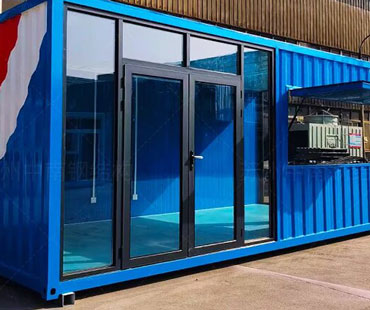
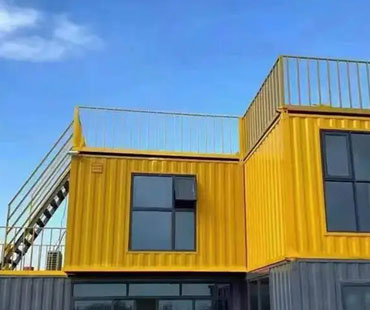
In an era defined by rapid urbanization, environmental concerns, and the need for affordable housing, architecture is being pushed to evolve in new and innovative ways. Among the most intriguing solutions to emerge in recent years is the concept of shipping container homes. Once used solely for transporting goods across oceans, these steel boxes are now being transformed into stylish, functional living spaces. But what makes shipping container homes more than just a passing trend? Why are they increasingly seen as the future of modern architecture?
One of the most compelling reasons is sustainability. Millions of shipping containers sit unused in ports around the world, creating both a logistical and environmental challenge. Repurposing these containers into homes reduces industrial waste and minimizes the demand for traditional building materials such as concrete and bricks, which are energy-intensive to produce. By giving these containers a second life, architects and homeowners contribute to a more circular economy and significantly lower their environmental footprint.
Affordability is another key factor driving the popularity of container homes. Traditional housing construction can be prohibitively expensive, especially in major urban centers where land and labor costs are high. Shipping containers, by contrast, are relatively inexpensive and widely available. Their modular nature allows for faster construction times, reducing labor costs and enabling homeowners to move in sooner. For many people, especially first-time buyers or those seeking alternative living arrangements, container homes offer a practical pathway to homeownership.
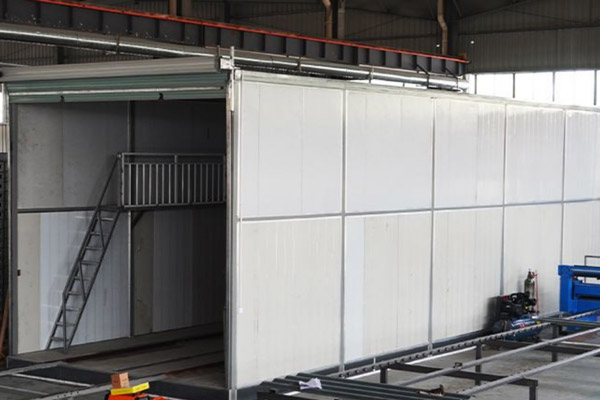
Flexibility and design innovation also play a major role in their appeal. Shipping containers are inherently modular, meaning they can be stacked, arranged, and combined in countless ways. This opens up a world of architectural possibilities, from compact single-unit homes to expansive multi-level residences. Architects are embracing this flexibility to create bold, modern designs that challenge traditional notions of space and structure. Large windows, open floor plans, and creative use of materials can transform a simple container into a sophisticated living environment.
Durability is another advantage that cannot be overlooked. Built to withstand harsh marine conditions, shipping containers are made from strong, weather-resistant steel. This makes them particularly suitable for areas prone to extreme weather, such as hurricanes or heavy snowfall. With proper insulation and reinforcement, container homes can be both safe and long-lasting, offering peace of mind to homeowners.
In addition, container homes align well with the growing trend toward minimalist and efficient living. As more people seek to reduce clutter and focus on experiences rather than possessions, smaller and more efficient living spaces are becoming increasingly desirable. Container homes encourage thoughtful use of space, often incorporating multi-functional furniture and smart storage solutions. This not only maximizes usability but also promotes a more intentional lifestyle.
Despite their many advantages, it is important to acknowledge that shipping container homes are not without challenges. Issues such as insulation, ventilation, zoning regulations, and structural modifications require careful planning and professional expertise. However, as technology advances and more architects gain experience with this building method, these challenges are becoming easier to overcome.
In conclusion, shipping container homes represent a powerful convergence of sustainability, affordability, and design innovation. They challenge conventional building practices while offering practical solutions to some of the most pressing issues in modern housing. As cities continue to grow and environmental concerns intensify, it is likely that shipping container homes will play an increasingly important role in shaping the future of architecture. What began as a creative reuse of industrial materials is now evolving into a global movement—one that redefines how we think about homes, space, and the built environment.