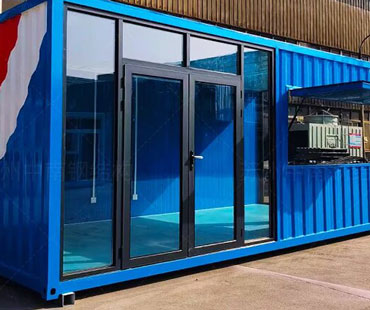
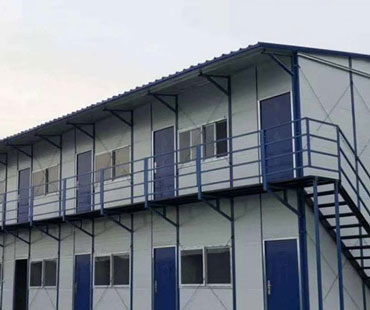
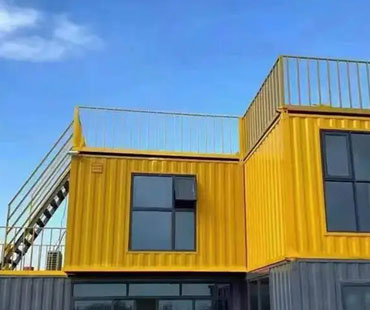
Container houses have become an increasingly popular housing solution in recent years, especially for people looking for affordable, flexible, and fast-built living spaces. From temporary accommodation to modern minimalist homes, container architecture is no longer just a construction-site solution—it has evolved into a mainstream alternative housing model.
However, one of the most common questions people ask is: How much does a container house cost? The answer is not fixed. Container house prices vary widely depending on several key factors, including size, materials, design complexity, and installation requirements. Understanding these cost drivers is essential before starting any container home project.
1. Basic Container Price vs. Finished Home Cost
The first thing to understand is that the price of a container house is not just the cost of the steel box itself.
A used shipping container can be relatively inexpensive, depending on size and condition. However, converting it into a livable home requires insulation, windows, doors, flooring, plumbing, electrical systems, and interior finishing.
As a result, the final cost of a container home is usually multiple times higher than the base container price. The transformation process is what truly determines the total investment.
2. Size and Layout Design
Size is one of the most direct factors affecting cost. Standard container homes are typically built using 20-foot or 40-foot containers, but many projects combine multiple units to create larger living spaces.
A single-container home is generally more affordable but offers limited space. Multi-container designs, on the other hand, allow for open-plan layouts, multiple rooms, and even two-story structures—but they significantly increase construction costs.
Complex layouts require additional structural reinforcement, which also adds to the total budget.
3. Material Selection and Insulation System
One of the biggest hidden costs in container housing is insulation and interior materials.
Since steel containers conduct heat easily, proper insulation is essential for comfortable living. Common insulation materials include rock wool, polyurethane foam, and thermal panels.
Higher-quality insulation systems improve energy efficiency and comfort but increase upfront costs.
Interior finishing materials such as flooring, wall panels, kitchen units, and bathroom fittings also vary greatly in price depending on quality level and design preferences.
4. Structural Modifications and Engineering Work
Most container homes require structural modifications, especially when cutting openings for doors, windows, or combining multiple units.
These modifications must be reinforced with steel framing to maintain structural stability. The more customized the design, the higher the engineering complexity and cost.
For example, large glass walls, open spaces, or cantilever structures require additional support systems, which increase both material and labor expenses.
5. Installation and Foundation Costs
Unlike traditional houses, container homes still require proper installation and foundation preparation.
Depending on the location, the foundation may range from simple concrete blocks to full reinforced concrete slabs. Uneven terrain or remote sites can significantly increase preparation costs.
Transportation and crane lifting fees also play an important role, especially when containers need to be delivered to difficult or distant locations.
6. Plumbing, Electricity, and Utility Systems
A container house is only livable when it includes fully functional utility systems.
Electrical wiring, water supply, drainage systems, heating, and air conditioning must all be integrated into the design. These systems require professional installation and compliance with local building standards.
In many cases, utility installation accounts for a significant portion of the total project cost, especially in off-grid or remote setups.
7. Custom Design and Luxury Features
Customization is another major cost factor. Basic container homes are relatively simple, but modern designs often include large windows, rooftop terraces, smart home systems, or high-end interior finishes.
Luxury container homes can include features such as floor-to-ceiling glass panels, designer kitchens, spa-style bathrooms, and integrated lighting systems.
The more personalized and high-end the design, the higher the final cost becomes.
8. Location and Local Regulations
Construction costs also depend heavily on location. Labor rates, material availability, and transportation costs vary from region to region.
In addition, local building regulations and permit requirements may affect the overall budget. Some areas require specific certifications or structural approvals for container homes, which can add time and expense to the project.
Container house pricing is not determined by a single factor but rather a combination of structural design, materials, size, installation conditions, and customization level.
While container homes are often seen as a cost-effective alternative to traditional housing, the final price can vary significantly depending on how simple or complex the project is.
For anyone considering a container house, understanding these key cost factors is essential for making informed decisions and avoiding unexpected expenses. With proper planning and design, container homes can offer a flexible, modern, and highly efficient living solution.