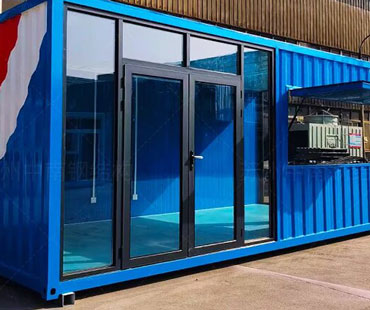
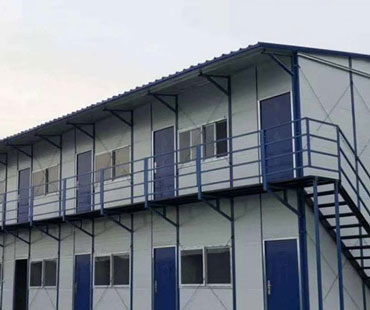
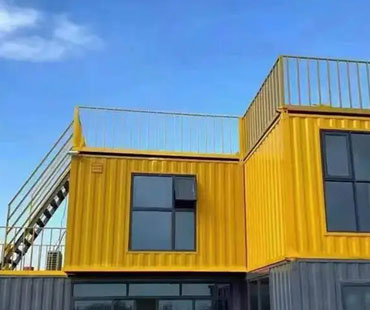
Expandable houses are gaining traction as a practical response to rising housing costs, limited urban space, and the need for flexible living environments. Designed to expand and contract based on occupancy or usage needs, these homes offer a compelling balance between affordability, efficiency, and adaptability. For homeowners, developers, and even temporary housing providers, understanding the cost structure and operational efficiency of expandable houses is key to evaluating their long-term value.
One of the most attractive aspects of expandable houses is their cost efficiency compared to traditional construction. Because many of these homes are prefabricated in controlled factory environments, material waste is minimized and labor costs are reduced. Standardized production processes also shorten build times significantly. Instead of months of on-site construction, an expandable home can often be manufactured and delivered within weeks. This translates into lower overall project costs and faster occupancy, which is especially beneficial in time-sensitive scenarios such as disaster relief or rapid urban development.
Transportation and installation costs are also optimized through compact design. In their folded or modular state, expandable houses occupy less space, allowing more units to be transported in a single shipment. This reduces logistics expenses and carbon emissions associated with delivery. Once on site, these structures are typically designed for quick assembly, sometimes requiring only basic foundations and minimal heavy equipment. The reduced need for extensive groundwork further contributes to cost savings.
From an operational standpoint, expandable houses are designed with efficiency in mind. Many models incorporate energy-saving features such as high-performance insulation, double-glazed windows, and energy-efficient HVAC systems. Their smaller initial footprint means lower heating, cooling, and lighting demands. When expanded, the additional space is used as needed, avoiding the constant energy burden of maintaining unused rooms. This flexible usage pattern aligns well with modern sustainability goals and can significantly reduce utility bills over time.
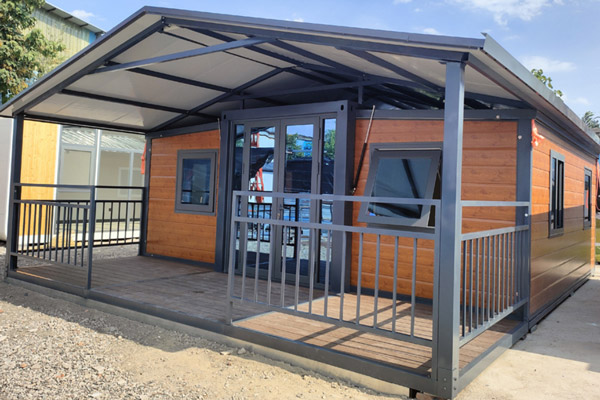
Another important factor is scalability. Expandable houses allow homeowners to start with a smaller, more affordable unit and gradually increase living space as needs evolve—whether due to family growth, remote work requirements, or lifestyle changes. This phased investment approach reduces the financial pressure of purchasing a large home upfront. Instead, costs are distributed over time, making homeownership more accessible to a broader range of people.
Maintenance and lifecycle costs also tend to be lower. Prefabricated components are often manufactured with precision and quality control, resulting in fewer structural defects and better durability. In addition, modular components can be replaced or upgraded more easily than traditional construction elements. This not only extends the lifespan of the home but also allows for technological updates, such as integrating smart home systems or upgrading insulation materials without major renovations.
However, it is important to consider potential limitations. Initial customization options may be more constrained compared to fully bespoke traditional homes, although this gap is narrowing as manufacturers expand their design offerings. Land costs, local zoning regulations, and utility connections can also influence the total investment. In some regions, regulatory frameworks for expandable or modular housing are still evolving, which may affect permitting timelines and compliance requirements.
Despite these challenges, the overall efficiency of expandable houses remains a strong advantage. Their ability to adapt to changing needs, combined with reduced construction time and lower operational costs, makes them an appealing solution for modern living. They are particularly well-suited for urban infill projects, remote work lifestyles, vacation properties, and temporary or semi-permanent housing needs.
In conclusion, expandable houses represent a smart intersection of cost control and functional efficiency. By leveraging prefabrication, flexible design, and energy-conscious features, they offer a forward-thinking alternative to conventional housing. As technology advances and market acceptance grows, expandable homes are likely to play an increasingly important role in shaping how people live, build, and invest in the future.