Containers play a crucial role in modern logistics, warehousing, and transportation systems. Since the introduction of standardized containers in global trade, the efficiency and reliability of cargo transportation have significantly improved. Containers provide a standardized and secure method for storing and transporting goods, allowing companies to move products across long distances with minimal handling. Their widespread adoption has transformed the global supply chain and has become an essential part of international trade and domestic logistics operations.
Standardization and Efficiency
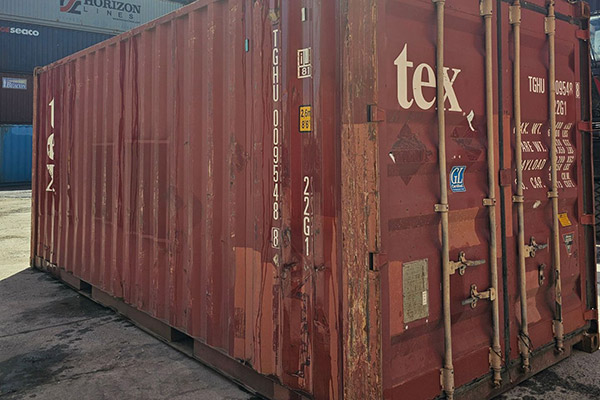
One of the most important characteristics of containers in warehousing and transportation is standardization. Containers are produced according to international standards, which ensures compatibility with ships, trucks, trains, and storage facilities. The most common container sizes are 20-foot and 40-foot units, often referred to as TEU (Twenty-foot Equivalent Unit) and FEU (Forty-foot Equivalent Unit). Because of this standardization, containers can be easily transferred between different modes of transportation without the need to unload and reload the cargo inside. This greatly reduces handling time and labor costs.
In warehousing operations, standardized containers also help simplify storage management. Warehouses can design their storage systems around container sizes, allowing for more organized stacking and efficient space utilization. This improves operational efficiency and allows logistics companies to manage large volumes of goods more effectively.
Improved Cargo Protection
Another key application characteristic of containers is their ability to provide strong protection for goods during storage and transportation. Containers are typically made from durable steel or aluminum, which helps protect cargo from weather conditions such as rain, wind, and extreme temperatures. In addition, containers are designed to be sealed, reducing the risk of theft, contamination, or damage.
In warehouse environments, containers can also serve as temporary storage units. Goods can remain inside the container until they are ready to be distributed, which minimizes handling and reduces the risk of product damage. This is especially important for valuable goods, sensitive equipment, and consumer products that require secure storage.
Flexibility in Multimodal Transportation
Containers are designed to support multimodal transportation, which means they can be transported using different modes of transport such as ships, trucks, and trains. This flexibility is one of the main reasons containers are widely used in global logistics networks. Once goods are packed into a container, the same container can be transported from a factory to a warehouse and then to a final destination without unloading the cargo.
This seamless transfer between transport modes improves logistics efficiency and reduces transportation time. For example, a container loaded at a manufacturing facility can be transported by truck to a railway terminal, shipped by train to a seaport, and then loaded onto a cargo ship for international delivery. At the destination port, the container can again be moved by truck or rail to a distribution center or warehouse.
Efficient Handling and Automation
Containers are also designed for easy handling with specialized equipment such as cranes, forklifts, and container handlers. Ports and warehouses around the world use automated systems to load, unload, and move containers efficiently. This mechanized handling reduces the need for manual labor and significantly increases the speed of logistics operations.
In modern automated warehouses, containers can be integrated with advanced logistics technologies such as barcode systems, RFID tracking, and warehouse management systems (WMS). These technologies allow companies to monitor container locations, track inventory levels, and improve supply chain transparency.
Space Optimization in Warehousing
Containers also contribute to better space utilization in warehouse facilities. Because they are designed with uniform dimensions, containers can be stacked and arranged systematically. This allows warehouse operators to maximize vertical storage space and maintain organized inventory management.
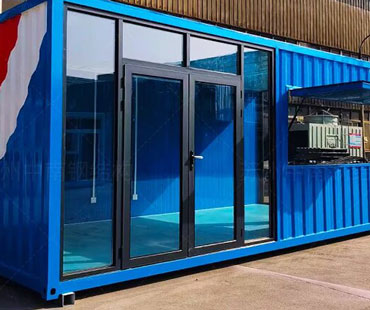
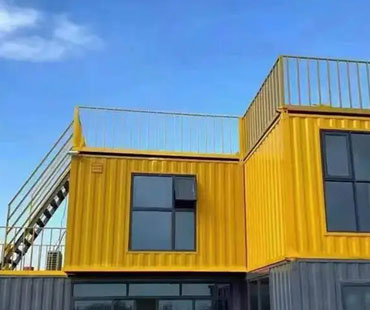
In some cases, containers themselves are used as modular storage units. For temporary warehouses, construction sites, or remote logistics hubs, containers can serve as portable storage facilities. Their strong structure and weather resistance make them suitable for outdoor storage as well.
Cost Reduction and Operational Benefits
Using containers in warehousing and transportation also helps reduce operational costs. By minimizing cargo handling, companies can reduce labor expenses and lower the risk of cargo damage. The efficiency of containerized transport also leads to faster turnaround times, which improves overall supply chain performance.
Furthermore, containers support large-scale cargo movement, making them ideal for bulk shipments and international trade. Logistics companies can consolidate multiple shipments into a single container, reducing transportation costs and improving efficiency.
Future Trends in Container Applications
With the rapid development of global logistics and supply chain technology, the role of containers in warehousing and transportation is expected to continue evolving. Smart containers equipped with GPS tracking, sensors, and Internet of Things (IoT) technology are becoming increasingly common. These innovations allow real-time monitoring of cargo conditions such as temperature, humidity, and location.
Additionally, the integration of digital logistics platforms and automated container terminals will further improve transportation efficiency. As global trade continues to expand, containers will remain a fundamental element of the logistics industry.
In conclusion, containers have become an essential tool in modern warehousing and transportation systems. Their standardized design, strong cargo protection, compatibility with multimodal transportation, and efficiency in handling make them indispensable in global logistics operations. As technology advances and logistics networks become more sophisticated, the application of containers will continue to play a vital role in supporting efficient and reliable cargo movement around the world.