In today’s rapidly growing global economy, the role of containers in logistics and transportation cannot be overstated. Containers, primarily used for transporting goods across international borders, have been a cornerstone of the modern supply chain. However, as the global demand for shipping continues to increase, so does the environmental impact of container production, use, and disposal. This has led to growing concerns about waste, resource depletion, and environmental sustainability. One of the most effective ways to address these issues is through the recycling and reuse of containers. By focusing on sustainable practices, we can significantly reduce the environmental footprint of container use and pave the way for more eco-friendly solutions in the logistics industry.
Containers are generally made from steel, aluminum, and other materials, which require significant resources to produce. Additionally, the shipping industry is responsible for a large portion of global carbon emissions due to the fossil fuel consumption involved in shipping goods. After their use in the transportation of products, many containers end up in landfills or are left unused. This contributes to the growing problem of waste and resource inefficiency in the supply chain.
The sheer volume of containers used in global trade poses a significant challenge. According to industry reports, it is estimated that around 600 million containers are in circulation worldwide, with many reaching the end of their service life each year. Instead of being discarded, these containers can be repurposed or recycled, which helps to minimize waste and reduce the demand for new resources.
Recycling containers involves the process of collecting and processing used containers, often steel or aluminum, to be transformed into new materials or products. Steel containers, for example, are melted down to be used in the production of new steel products. The recycling process not only conserves valuable raw materials but also reduces energy consumption and lowers carbon emissions compared to producing new containers from scratch.
The main materials involved in container recycling are:
1.Steel: Steel is one of the most commonly used materials in container manufacturing. The recycling of steel is a highly efficient process and reduces the need for mining and refining new iron ore. It is also one of the most recycled materials globally, with a high recycling rate.
2.Aluminum: Aluminum containers, though less common, are also used for transporting certain goods. Aluminum recycling is particularly advantageous because it saves up to 95% of the energy required to create new aluminum from raw materials.
3.Plastic: While not as widely used for shipping containers as steel or aluminum, plastic containers are still common, particularly for packaging purposes. Plastic recycling helps reduce pollution and is crucial in reducing the environmental impact of plastic waste.
4.Wood: Wooden containers, including pallets and crates, are another category that can be recycled. Wood from damaged containers can be repurposed for other uses, such as furniture or construction materials, reducing the need for new timber.
While recycling containers is an effective way to reduce waste, reusing containers can have an even greater impact on sustainability. Reuse involves finding new applications for containers, either in their original form or with minimal modification, which extends their lifecycle and prevents them from being discarded prematurely.
Several ways in which containers are reused include:
1.Storage Solutions: Used shipping containers are increasingly being repurposed for storage purposes, particularly in areas where space is limited. They are used for everything from storing construction materials to acting as mobile storage units for businesses.
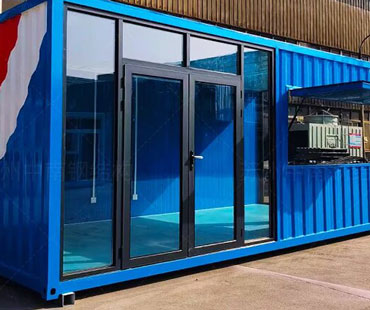
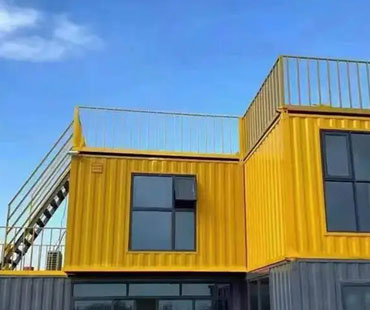
2.Housing and Offices: One of the most innovative uses of old containers is the construction of homes and office buildings. Shipping containers are increasingly being repurposed for affordable housing, particularly in urban areas. These "container homes" are sturdy, modular, and relatively inexpensive to build. Additionally, they can be combined to create larger living or working spaces.
3.Pop-up Retail and Food Stalls: Old containers are also widely used as mobile retail spaces or food stalls, particularly in high-traffic areas. Their portability and adaptability make them perfect for businesses looking to create temporary structures for retail, food trucks, or pop-up shops.
4.Art and Design Projects: Artists and designers are finding creative ways to repurpose shipping containers for large-scale art installations or public art projects. These containers, when properly designed, can become stunning visual art pieces while serving as functional structures.
5.Emergency Shelters: In disaster-stricken areas, used containers are sometimes converted into emergency shelters or medical units. Due to their durability, containers are able to withstand extreme conditions, making them ideal for use in crisis situations.
The recycling and reuse of containers offer numerous benefits, both for the environment and for businesses in the logistics industry. These benefits include:
1.Reduction of Waste: By recycling and reusing containers, we can significantly reduce the amount of waste generated by the shipping industry. This helps to alleviate the growing strain on landfills and reduces the need for new raw materials.
2.Energy Conservation: The recycling process for steel and aluminum containers is far less energy-intensive than creating new containers from raw materials. By reusing existing containers, energy consumption is further reduced, helping to combat climate change.
3.Cost Savings: Businesses in the logistics and transportation sectors can save money by reusing containers instead of purchasing new ones. Additionally, repurposed containers can often be obtained at a fraction of the cost of brand-new containers.
4.Sustainability: For businesses that are committed to sustainability, recycling and reusing containers sends a strong message to customers and partners. Companies that adopt green practices improve their corporate reputation and can attract more environmentally-conscious customers.
5.Innovative Opportunities: As mentioned earlier, the reuse of containers opens up a wide range of opportunities for creative projects, from housing to retail spaces. By thinking outside the box, businesses and individuals can find innovative ways to repurpose containers and generate new revenue streams.
While the recycling and reuse of containers offer substantial benefits, there are also challenges that need to be addressed:
1.Quality Control: Reused containers may require inspection and modification to ensure they are safe and functional for their new purpose. This may incur additional costs and time, especially if the container was previously exposed to harsh conditions during transport.
2.Logistics and Infrastructure: The infrastructure for recycling and repurposing containers may not be available in all regions, especially in developing countries. Governments and organizations must invest in infrastructure to support the recycling and reuse industries.
3.Standardization: Reused containers may not always meet local building codes or regulations, especially when they are repurposed for housing or office space. Standardized guidelines for container reuse would help streamline this process and make it more feasible for a wider audience.
4.Public Awareness: Not all businesses and consumers are aware of the possibilities for recycling and reusing containers. Education and awareness campaigns are crucial in encouraging wider participation in these sustainable practices.
The recycling and reuse of containers represent an essential strategy in reducing waste and environmental impact while providing economic benefits for businesses. With more companies and individuals recognizing the value of repurposing old containers, this practice is becoming an integral part of the global push toward sustainability. By taking proactive steps in recycling and reusing containers, we not only help conserve valuable resources but also pave the way for innovative solutions in urban planning, housing, and business operations. As the demand for sustainable practices continues to rise, the recycling and reuse of containers will play a crucial role in shaping the future of logistics and environmental conservation.