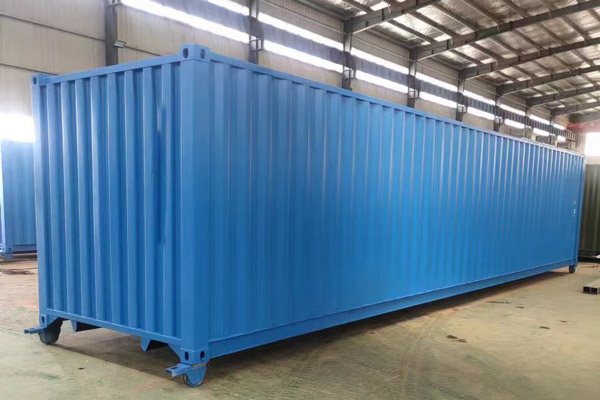
The transformation of shipping containers from traditional to eco-friendly designs reflects a broader shift towards sustainability in the global logistics industry.
Learn more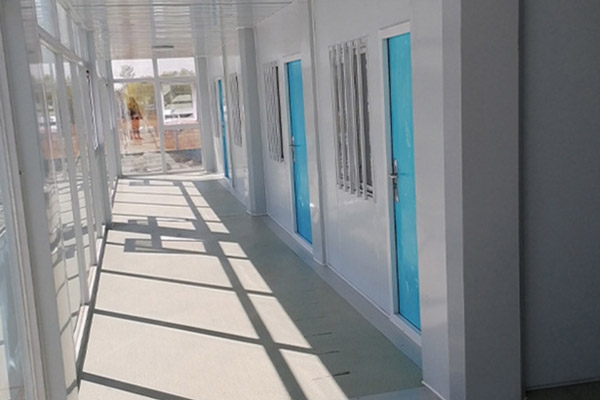
By recognizing the pressures of increased traffic, environmental concerns, technological advancements, and geopolitical factors, ports can strategically position themselves for future success.
Learn more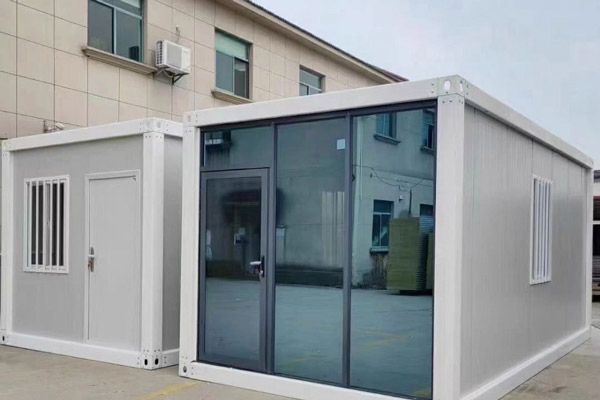
The transformation of container houses from temporary shelters to modern living spaces is a testament to human ingenuity and the desire for sustainable living.
Learn more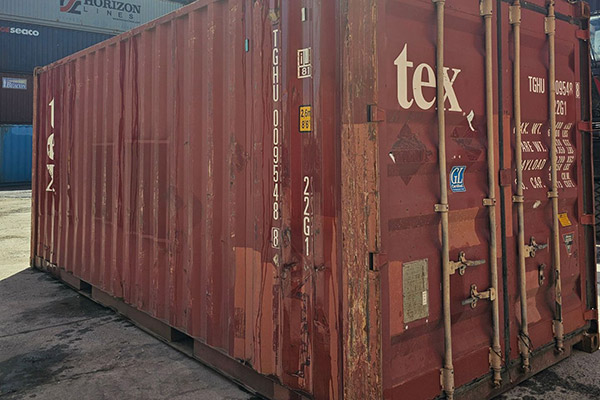
Flat rack containers represent the perfect blend ofengineering strength and logistical flexibility. Their ability to handle heavy, wide, or irregular cargo makes them indispensable in modern global tr
Learn more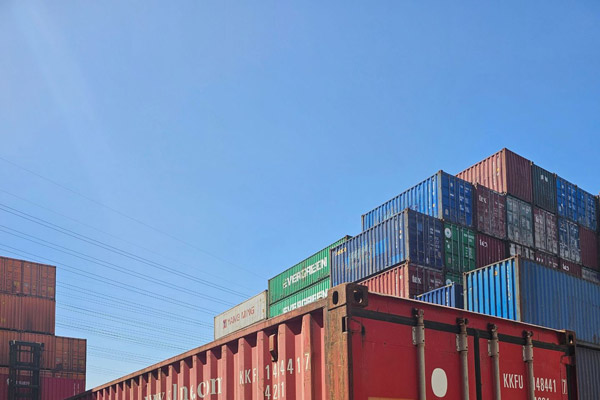
Maritime shipping containers are much more than steel boxes; they are the engines of global commerce. They connect producers and consumers across continents, support economies, and sustain the modern
Learn more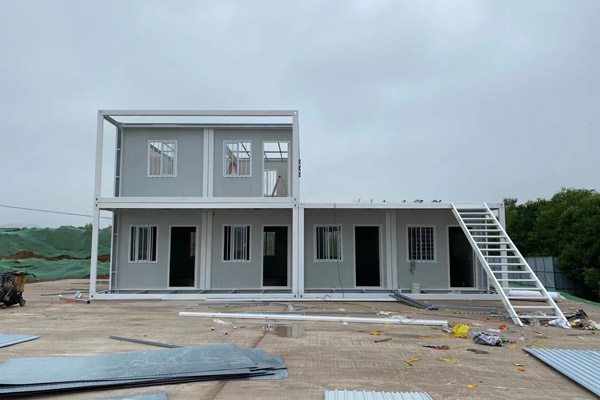
Emerging technologies such as autonomous electric ships, 3D-printed lightweight containers, and AI-powered cargo optimization systems are poised to redefine the industry’s sustainability profile in th
Learn more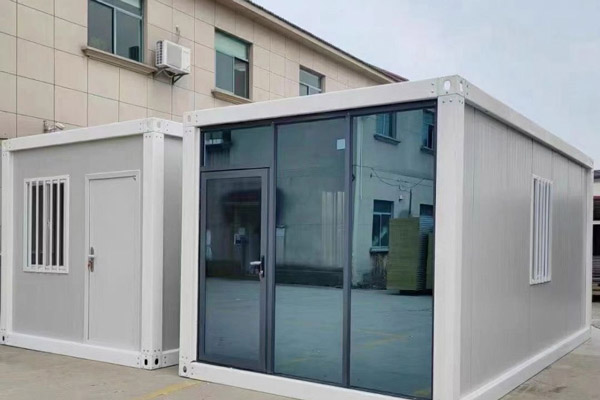
Expandable homes represent a powerful convergence ofarchitecture, sustainability, and smart engineering. Their design philosophy — to do more with less — perfectly encapsulates the values of a generat
Learn more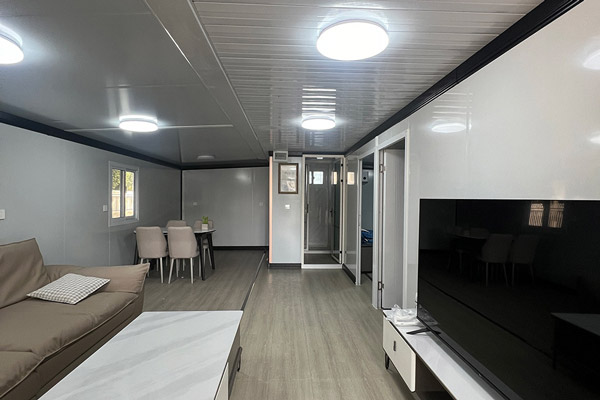
Modern containers have moved far beyond their origin as simple shipping units. Their strength, standardization, versatility, and cost-effectiveness make them invaluable across construction, warehousin
Learn more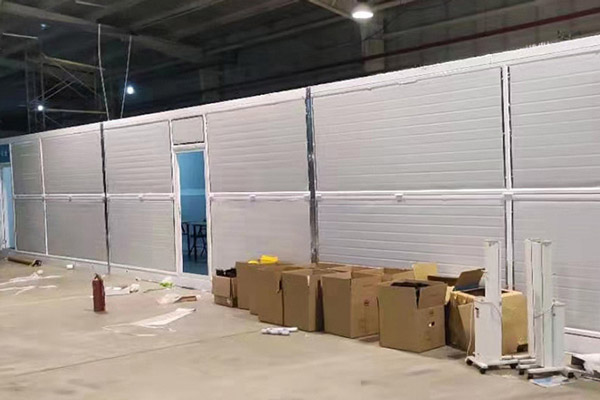
Their modularity, durability, cost-effectiveness, and sustainability make them suitable for a wide range of applications—from homes and offices to pop-up shops, storage solutions, and even public faci
Learn more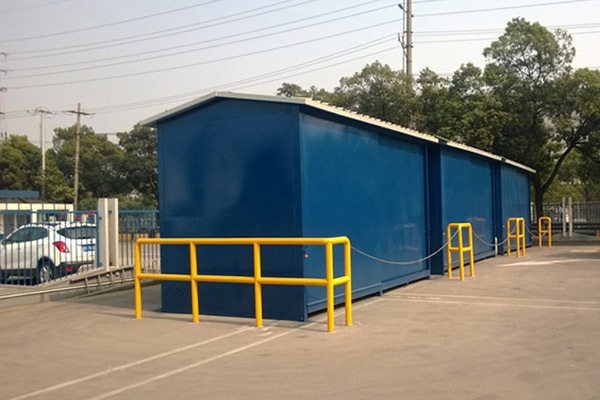
Flatbed containers offer a unique combination of flexibility, durability, and compatibility that makes them ideal for multimodal transportation.
Learn more