As urbanization accelerates and the demand for flexible, sustainable housing grows, container houses have emerged as an innovative solution that combines speed, versatility, and cost-effectiveness. Leveraging the structural strength of shipping containers, designers and architects around the world are transforming these modular units into fully functional homes, offices, and commercial spaces. From temporary housing in disaster zones to stylish urban apartments, container houses offer a compelling alternative to traditional construction methods.
1. The Concept of Container Houses
Container houses are residential or commercial structures created by converting steel shipping containers into usable living or working spaces. Standard shipping containers are built to withstand harsh conditions during transport, which makes them structurally strong and durable. By repurposing these containers, designers can create modular, customizable buildings with relatively short construction timelines.
Key characteristics of container houses include:
Modularity: Standardized dimensions allow for stacking, combining, or reconfiguring units to create unique layouts.
Durability: Steel construction ensures resistance to weather, pests, and structural stress.
Portability: Units can be transported and relocated with relative ease.
Cost-effectiveness: Reusing shipping containers can reduce construction material costs and labor expenses.
2. Innovative Design Principles
The modern appeal of container houses comes from combining functional design with aesthetic innovation. Designers focus on several key principles:
a. Efficient Space Utilization
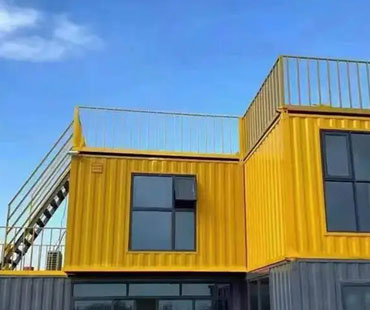
Containers have a fixed width and length, which poses design challenges. Innovative layouts use multi-level stacking, open floor plans, and foldable or retractable furniture to maximize space efficiency. For example, a two-story container home can provide separate living and sleeping areas while maintaining a compact footprint.
b. Customization and Flexibility
Container houses can be customized to meet specific needs. Architects can cut openings for windows, doors, or skylights and incorporate insulation, HVAC systems, and plumbing. Modular design allows for horizontal or vertical expansion, making it suitable for growing families, commercial businesses, or co-living spaces.
c. Integration with Modern Aesthetics
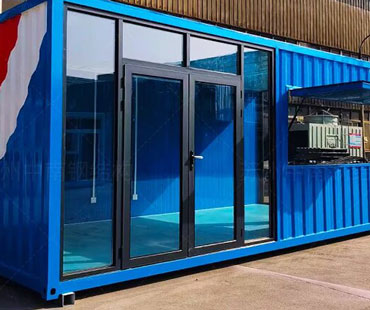
Despite their industrial origins, container houses can be stylish and visually appealing. Designers often combine steel with glass, wood, or recycled materials to create contemporary interiors and attractive exteriors. Colorful container panels, rooftop terraces, and landscaped surroundings enhance the visual experience.
d. Sustainable and Eco-friendly Design
Innovative container house designs prioritize sustainability. Many projects use recycled containers, energy-efficient insulation, solar panels, rainwater collection systems, and passive cooling techniques. This reduces environmental impact while creating energy-efficient and comfortable living spaces.
3. Quick Construction and Modular Assembly
One of the most significant advantages of container houses is their rapid construction timeline compared to traditional building methods:
Pre-fabrication: Containers can be modified off-site, with electrical wiring, plumbing, insulation, and interior finishes completed in advance.
On-site assembly: Modified containers can be quickly transported and assembled on the building site, reducing construction delays and weather-related interruptions.
Scalability: Additional containers can be added to expand space as needed without major reconstruction.
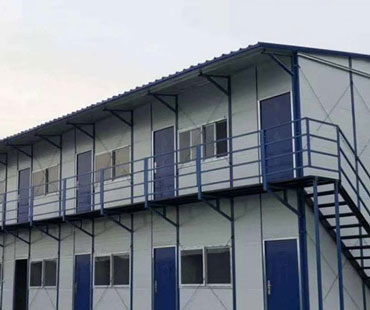
This speed of construction makes container houses ideal for temporary housing in emergencies, student dormitories, pop-up offices, and commercial projects with tight timelines.
4. Versatile Applications
Container houses are no longer limited to temporary solutions; their versatility allows them to serve multiple functions:
a. Residential Housing
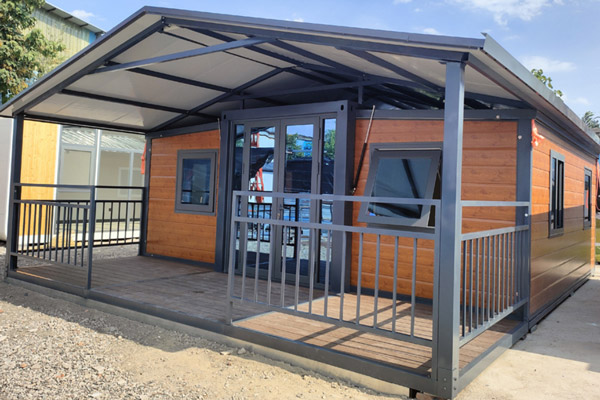
From single-family homes to multi-unit apartment complexes, container houses provide affordable, modular living solutions. They are especially popular in urban areas where space is limited and construction costs are high.
b. Office and Commercial Spaces
Container units can be transformed into offices, cafes, retail shops, and studios. Modular layouts allow businesses to expand or relocate easily, while creative design attracts customers with a modern, industrial aesthetic.
c. Emergency and Temporary Housing
In disaster relief scenarios, container houses can be deployed quickly to provide safe, weather-resistant shelter. Their modularity allows rapid deployment and flexible arrangement according to site constraints.
d. Tourism and Hospitality
Container houses are increasingly used in eco-resorts, glamping sites, and boutique hotels. Their mobility allows operators to relocate or redesign accommodation units while offering unique, Instagram-worthy guest experiences.
5. Environmental and Economic Benefits
Container houses offer both ecological and financial advantages:
Recycling and Waste Reduction: Reusing decommissioned shipping containers reduces metal waste and the environmental footprint associated with traditional construction materials.
Energy Efficiency: Proper insulation, ventilation, and integration of renewable energy systems make container homes energy-efficient.
Cost Savings: Lower material and labor costs, coupled with faster construction, make container houses an economically attractive option.
Reduced Urban Footprint: Stackable and modular design allows more efficient use of limited urban land, contributing to sustainable city planning.
6. Challenges and Solutions
While container houses offer numerous benefits, they also present some challenges:
a. Thermal Insulation
Steel conducts heat and cold, which can make containers uncomfortable in extreme climates. Solutions include spray foam insulation, interior lining, and energy-efficient windows to maintain indoor comfort.
b. Space Constraints
Standard containers are narrow and tall, which can feel cramped. Creative interior design, modular furniture, and open floor plans help optimize usable space.
c. Structural Modifications
Cutting and welding containers can affect structural integrity. Engineers must carefully assess load-bearing walls and roof reinforcement to ensure safety, especially when stacking multiple units.
d. Regulatory Compliance
Building codes and zoning regulations vary by region. Container house projects require proper permits and adherence to local safety standards, particularly for residential use.
7. Future Trends
Container houses are evolving rapidly, with several emerging trends:
Smart Container Homes: Integration of IoT devices, smart energy systems, and automated climate control for modern living.
Luxury Modular Design: Combining container units with high-end finishes and eco-luxury features.
Hybrid Structures: Combining containers with conventional building methods to maximize design flexibility and space.
Urban Expansion Solutions: Using container units for temporary classrooms, pop-up markets, or emergency shelters in dense urban areas.
Innovative design of container houses represents a transformative approach to modern living and construction. By leveraging modularity, quick assembly, and sustainable design, container houses offer versatile solutions for residential, commercial, and emergency applications. While challenges like insulation, space optimization, and regulatory compliance exist, modern engineering and creative architectural design continue to expand their possibilities.
As urban spaces become more crowded, construction costs rise, and sustainability becomes a priority, container houses provide a compelling, flexible, and eco-friendly alternative to traditional building methods. From stylish urban apartments to temporary disaster relief shelters, these modular homes demonstrate that practicality, speed, and innovation can coexist in modern architecture, offering a glimpse into the future of flexible housing solutions worldwide.