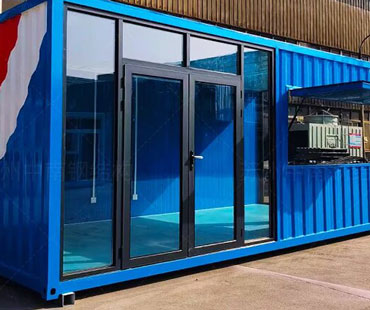
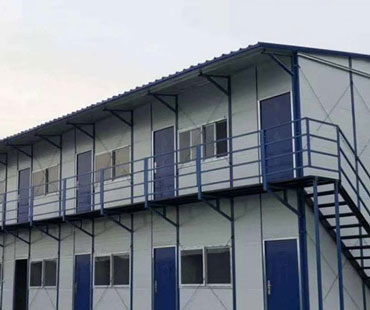
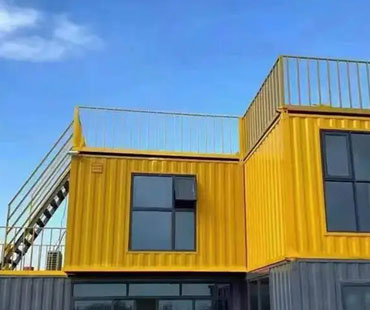
With the rapid development of global logistics, construction projects, and modular applications, containers have evolved far beyond their traditional role in maritime transportation. Today, they are widely used in shipping, warehousing, temporary offices, accommodation, commercial spaces, and industrial storage. Whether a business chooses to purchase or rent containers, understanding size specifications and material structure*is essential for cost control, safety, and long-term usability.
This guide provides a comprehensive overview of the key factors to consider when purchasing or renting containers, focusing on container sizes, structural materials, and application suitability.
1. Choosing the Right Container Size
Container size selection directly impacts transportation efficiency, loading capacity, and operating costs. The most commonly used container sizes include:
1.1 Standard Containers
20-foot container (20GP)
Widely used for heavy cargo and short-distance transportation. Its compact size makes it suitable for limited spaces and dense goods.
40-foot container (40GP)
Ideal for bulk cargo and long-distance shipping. Offers nearly double the capacity of a 20-foot container while optimizing freight costs.
40-foot high cube container (40HC)
Provides additional height, making it suitable for lightweight but high-volume goods such as furniture, textiles, and packaged products.
Choosing between these sizes depends on cargo volume, weight distribution, loading equipment, and transport routes.
1.2 Special-Purpose Containers
For non-standard applications, specialized containers may be more appropriate:
Open-top containers*for oversized cargo
Flat rack containers*for machinery and equipment
Refrigerated containers*for temperature-sensitive goods
Modified containers*for offices, housing, or retail use
When renting, selecting the right size helps avoid unnecessary costs. When purchasing, long-term usage plans should guide size decisions.
2. Understanding Container Material Structure
The material structure of a container determines its durability, load-bearing capacity, weather resistance, and service life. High-quality materials are especially important for long-term use or harsh environments.
2.1 Container Frame and Main Structure
Most containers are built with high-strength weathering steel, such as corten steel, which offers:
Excellent resistance to corrosion
High tensile strength
Long service life under extreme conditions
The corner posts, top and bottom rails, and cross members form the load-bearing skeleton, ensuring structural integrity during stacking and transportation.
2.2 Wall and Roof Panels
Container walls and roofs are typically made of corrugated steel sheets, designed to:
Enhance structural rigidity
Resist deformation under load
Provide weatherproof protection
For modified or habitable containers, additional insulation layers or interior panels may be added to improve thermal and acoustic performance.
2.3 Flooring Materials
Container floors are commonly constructed from marine-grade plywood, bamboo flooring, or steel plates. Key considerations include:
Load-bearing capacity
Moisture resistance
Anti-slip performance
For industrial storage or heavy equipment, reinforced steel floors may be preferable.
3. Purchase vs. Rental: Which Is Right for You?
Choosing between purchasing and renting containers depends on project duration, budget, and usage flexibility.
3.1 Advantages of Purchasing Containers
Suitable for long-term or permanent use
Greater freedom for modification and customization
Lower cost over extended periods
Asset ownership for repeated or ongoing projects
Purchased containers are often used in logistics fleets, construction camps, modular buildings, and storage facilities.
3.2 Advantages of Renting Containers
Lower upfront investment
Ideal for short-term or temporary projects
No long-term maintenance responsibility
Flexible scaling based on demand
Rental is particularly attractive for seasonal logistics, temporary construction sites, exhibitions, and emergency storage.
4. Application-Specific Considerations
Different applications place different demands on container size and structure:
Logistics and transportation*require standardized sizes and strong frames
Construction sites*prioritize durability and mobility
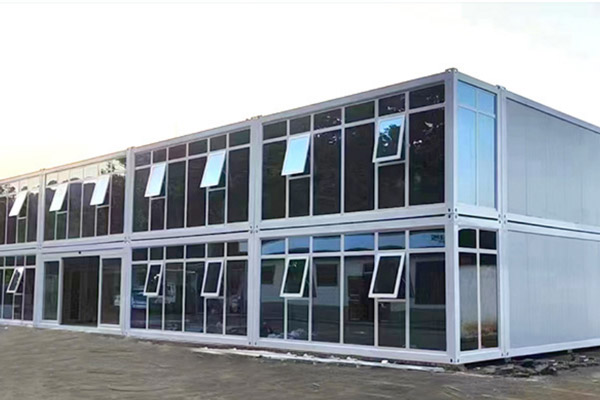
Commercial and residential conversions*require insulation, ventilation, and structural adaptability
Industrial storage*demands high load capacity and safety compliance
Understanding the intended application ensures the selected container meets both functional and regulatory requirements.
5. Quality, Compliance, and Safety Standards
Regardless of purchase or rental, containers should comply with international standards such as:
CSC (Container Safety Convention) certification
ISO container standards
Structural and load-bearing inspections
Ensuring compliance reduces operational risk and enhances safety during transport and use.
6. Long-Term Cost and Maintenance Considerations
While initial pricing is important, long-term costs should not be overlooked. Factors include:
Maintenance and repair expenses
Corrosion resistance and coating quality
Structural fatigue from repeated use
Resale or reuse potential
High-quality materials and proper structural design often result in lower total cost of ownership.
Selecting the right container—whether through purchase or rental—requires careful consideration of size specifications, material structure, and intended use. Standardized dimensions ensure efficient logistics, while robust materials guarantee safety, durability, and long-term value. By aligning container choices with project needs and operational goals, businesses can optimize costs, improve efficiency, and ensure reliable performance across a wide range of applications.
A well-informed container decision is not just a logistical choice—it is a strategic investment in efficiency, safety, and sustainability.